
Why the “Pantry Buffer” Is the New Power Move in Home Cooking
Most pantry advice swings between two extremes: hyper-minimalist fridges with “just buy fresh” energy, or bulk-prepper stockpiles that expire before you remember they exist. A more modern, genuinely useful approach sits in the middle: a pantry buffer—a small, rotating set of versatile ingredients and micro-strategies that lets you cook satisfying meals even when your week goes off-script.
This roundup collects practical systems, tools, and ingredient ideas to help you build a flexible pantry buffer that reduces waste, supports better last-minute meals, and keeps grocery spending predictable. Think: fewer emergency takeout orders, more “I can make something good right now.”
1) Build a Two-Tier Pantry: “Always” Items vs. “Rotate” Items
The single biggest reason pantries become cluttered is treating every purchase like a permanent resident. Instead, split your pantry into two tiers:
- Always items: core ingredients you reliably use weekly (e.g., rice, pasta, olive oil, canned tomatoes).
- Rotate items: limited-time flavor boosters or proteins you’re testing (e.g., a new chili crisp, specialty beans, a tin of smoked trout).
Actionable tip: Limit rotate items to one shelf or one bin. When it’s full, something must be used up before you buy another “fun” ingredient. This keeps experimentation without turning into clutter.
2) Use a “3-3-3 Buffer” to Prevent Meal Panic
Here’s a simple buffer framework that works in real life:
- 3 proteins that can become dinner fast (canned fish, eggs, lentils/beans, frozen chicken thighs, tofu).
- 3 carbs that cook reliably (rice, pasta, tortillas, couscous, instant noodles).
- 3 sauces/seasoning bases that turn basics into distinct meals (soy sauce + vinegar, jarred salsa, curry paste, miso, tomato paste).
With nine items, you can mix-and-match into dozens of meals. For example: tortillas + eggs + salsa = breakfast tacos; rice + lentils + curry paste = quick dal-style bowl; pasta + canned fish + lemon/olive oil = pantry puttanesca-inspired dinner.
3) Prioritize “Half-Life Heroes” That Stay Useful for Months
Not all long-lasting foods are equally useful. Choose ingredients that remain versatile across cuisines:
- Tomato paste (tube): lasts weeks in the fridge and upgrades soups, stews, pasta sauces, marinades.
- Miso: keeps a long time refrigerated; adds depth to soups, glazes, salad dressings.
- Vinegars (rice, apple cider, red wine): instant brightness for leftovers.
- Anchovies (tin or tube): melts into sauces—umami without “fishiness.”
Micro-habit: When a recipe calls for one teaspoon of something potent (miso, paste, spice), plan a second use within seven days. That’s how buffers stay rotating, not forgotten.
4) Keep One “Fast Vegetable” Format on Hand (and Make It Taste Fresh)
Fresh produce is great—until you’re busy. A buffer works best when you have a reliable vegetable format that doesn’t punish you for skipping a grocery run:
- Frozen vegetables: peas, spinach, broccoli, stir-fry blends.
- Jarred or canned vegetables: roasted red peppers, artichokes, corn.
- Pickled vegetables: kimchi, sauerkraut, pickled onions.
Make it taste “alive”: Finish frozen veg with acid (lemon/vinegar) and something aromatic (garlic powder, toasted sesame oil, chili flakes). That one-minute finishing step is the difference between “sad freezer dinner” and “actually good.”
5) Adopt a “One-Spreadsheet (or Notes App) Inventory” — But Keep It Tiny
You don’t need an app ecosystem. A pantry buffer inventory should be fast enough that you’ll use it:
- Create a note titled “Pantry Buffer.”
- List categories: Proteins, Carbs, Sauces, Veg, Snacks.
- Only track buffer items, not every spice jar.
Actionable tip: Add a “Use Next” section with 3 items you want to finish this week. That single focus list cuts waste dramatically.
6) Lean on “Master Ratios” to Turn Pantry Staples Into Real Meals
Master ratios are the backbone of flexible cooking because they reduce decision fatigue. A few practical ones:
- Vinaigrette: 3 parts oil : 1 part vinegar + salt + something sweet (honey/sugar) + mustard/garlic.
- Quick peanut sauce: peanut butter + soy sauce + lime/vinegar + hot water to thin.
- Simple tomato sauce: olive oil + garlic + tomato paste + canned tomatoes + salt.
These work with whatever you have: roasted veggies, noodles, rice bowls, canned fish, tofu, or chicken.
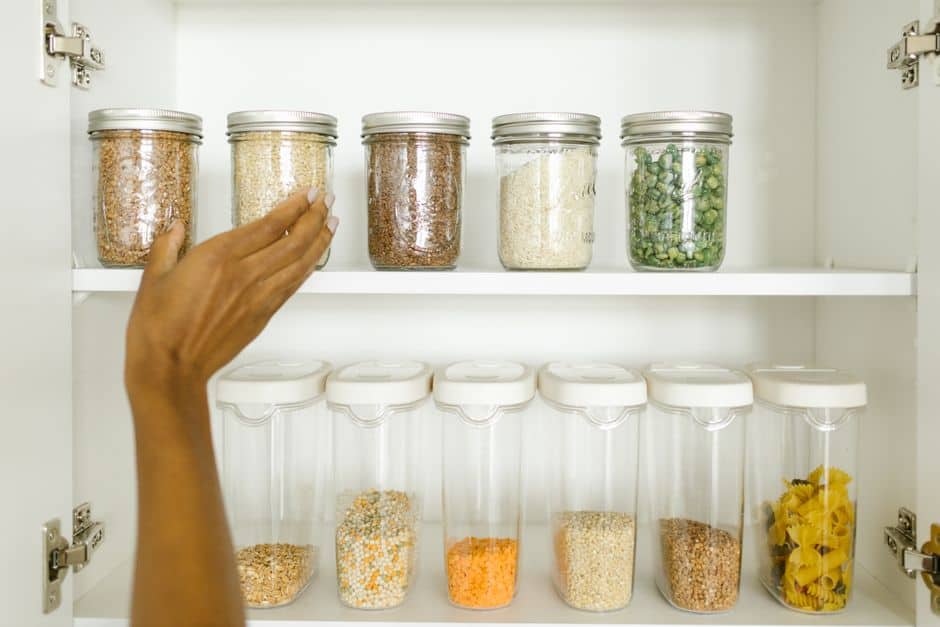
7) Store for Frictionless Cooking: Put Weeknight Wins at Eye Level
Organization isn’t about aesthetics; it’s about reducing friction.
- Eye level: your “3-3-3 buffer” items.
- Lower shelf: bulky backups (extra rice, extra tomatoes).
- Door bin or small basket: “Open first” items (half-used bags, nearing-best-by cans).
Real-world example: If tortillas and canned beans are visible, a 10-minute quesadilla is likely. If they’re buried behind baking supplies, you’ll default to delivery.
8) Use “Flavor Anchors” to Make Leftovers Feel New
A pantry buffer shines when it prevents leftovers from becoming repetitive. Keep 2–3 flavor anchors that can transform the same base into different meals:
- Chili crisp: rice bowls, eggs, noodles.
- Tahini: dressings, sauces, quick dips with lemon and water.
- Curry paste: soups, coconut curries, marinades.
Actionable tip: Assign an anchor to a theme night. Example: “Curry Wednesday” means you’ll actually use the paste you bought.
9) Plan for Two “Emergency Dinners” That Don’t Feel Like Emergencies
Emergency dinners should be:
- 15 minutes or less
- Made from shelf-stable or frozen items
- Satisfying enough to beat takeout temptation
Two reliable options:
- Pantry puttanesca-ish: spaghetti + canned tomatoes + garlic + olives/capers + anchovy (optional) + chili flakes.
- Egg fried rice: leftover rice (or quick-cooked rice) + frozen peas + soy sauce + eggs + sesame oil.
Data point to keep in mind: Food waste is a major household cost driver. If you want broader reporting and practical ideas around reducing waste through smarter shopping and cooking habits, New York Times food coverage frequently explores how Americans buy, store, and waste food, with useful context for building better routines.
10) Shop With “Recipe Gravity”: Buy Ingredients That Pull Multiple Meals Toward Them
Some items naturally “pull” your weekly cooking into motion because they slot into many dishes. Examples:
- Greek yogurt: breakfast, marinades, quick sauces, baking swaps.
- Rotisserie chicken (or frozen chicken thighs): tacos, soups, salads, rice bowls.
- Canned beans: chili, salads, tacos, soups, spreads.
Actionable tip: Before you buy a new ingredient, ask: “Can I name three meals I’ll make with this in the next 10 days?” If not, it’s likely not a buffer item—yet.
11) Keep a “Small Snacks Buffer” to Prevent Impulse Ordering
Not every delivery order happens at dinner—many start with late-afternoon hunger. A pantry buffer should include quick, satisfying snacks:
- Nuts + dried fruit
- Popcorn kernels (cheap, long-lasting)
- Crackers + canned fish or hummus
Real-world example: If you can eat popcorn + a yogurt in 5 minutes, you’re less likely to turn a snack craving into a $25 “might as well order dinner” situation.
12) Run a Monthly “Buffer Reset” in 20 Minutes
Once a month, do a quick reset to keep your pantry buffer lean and powerful:
- Pull everything from the rotate shelf/bin.
- Identify 2 items to use this week.
- Check for duplicates (how many open mustards do you have?).
- Move anything near expiration to the front.
Actionable tip: Pair the reset with one “clean-out” meal—like a soup, fried rice, frittata, or grain bowl—designed to absorb odds and ends.
Conclusion: A Pantry Buffer Isn’t More Food—It’s More Options
The goal isn’t to stockpile; it’s to reduce friction between you and a good meal. A well-designed pantry buffer gives you flexibility when your week gets chaotic, helps you waste less, and makes cooking feel more like a choice than a chore.
Start small: build a 3-3-3 buffer, pick two emergency dinners you genuinely like, and run a 20-minute reset once a month. Within a few weeks, your pantry stops being a random collection of purchases—and becomes a quiet system that reliably feeds you.