
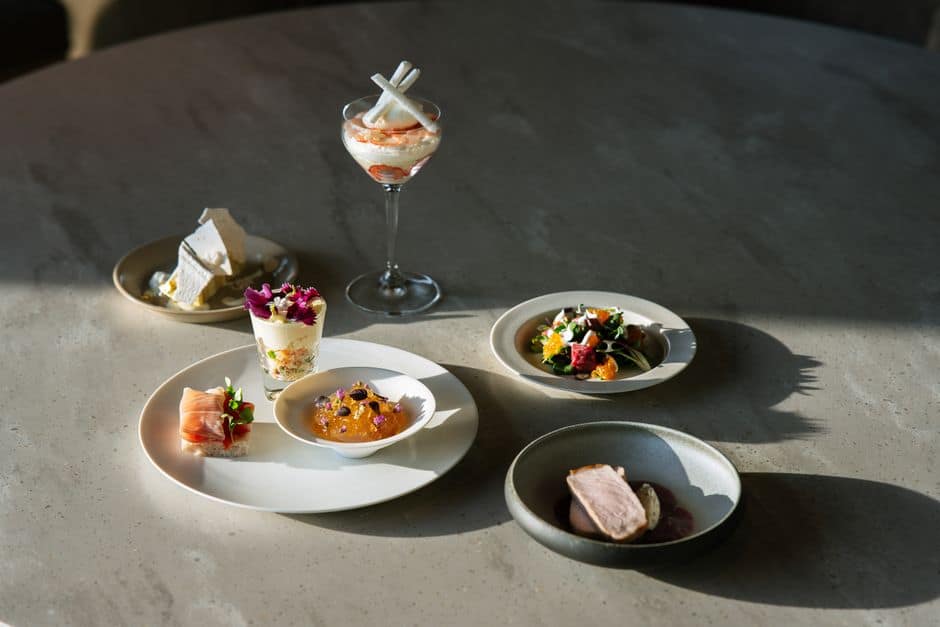
Why “Flavor Flight” dinners are having a moment
Restaurant tasting menus are fun, but they can be pricey and—let’s be real—hard to pull off on a weeknight. Enter the “Flavor Flight” dinner: a lineup of micro-dishes (think 5–7 small bites) that all riff on one theme. It’s trending because it feels fancy, it’s highly customizable, and it’s a great way to use up odds and ends in your fridge without eating the same leftovers three nights in a row.
This guide shows you how to build a flavor flight that feels intentional (not random snack plate energy), while still being easy enough to do in about an hour. We’ll use a specific, creative theme you can repeat forever: One ingredient, five techniques. Example ingredient: carrots. You’ll serve carrots as pickled, roasted, blended, shaved, and glazed—five different vibes, one cohesive “menu.”
Bonus: technique-based flights are a stealthy way to learn cooking skills fast. A single ingredient means your shopping list stays short, and you can actually taste what each technique does.
Step-by-step: How to host a Flavor Flight dinner
1) Choose a tight theme (and write it down)
A flavor flight works because it has rules. Pick a theme that’s narrow enough to feel curated but flexible enough to be fun. Here are a few non-generic, proven themes:
- One ingredient, five techniques (carrots, mushrooms, apples, chickpeas, tomatoes)
- One sauce, five vehicles (chimichurri on shrimp, potatoes, steak bites, grilled bread, roasted veg)
- A single region, different textures (coastal Mediterranean: briny, citrusy, herby, smoky, creamy)
- The “three acids” flight (vinegar, citrus, fermented acid like kimchi brine) across five bites
- Spice ladder: same base dish, five heat levels (mild to “respectfully intense”)
For this guide, we’ll build the entire plan around: Carrot Flight: 5 micro-dishes, 5 techniques.
2) Set your “flight math”: 5 dishes, 2 bites each, 4 people
Micro-dishes should be small enough to keep curiosity high and commitment low. A practical baseline:
- 5 micro-dishes
- 2 bites per dish (so people can re-taste)
- 4 people
That’s about 40 bites total. In real shopping terms, your main ingredient usually needs to be: 2–3 pounds if it’s a vegetable, or 1.5–2 pounds if it’s a protein (since you’ll vary preparation, not quantity).
This portioning is why flights feel abundant without being heavy. You’re building momentum, not a mountain of food.
3) Pick one “anchor flavor” and repeat it subtly
The secret to making five different dishes feel like one experience: repeat one flavor note across multiple bites. This could be:
- the same herb (dill, cilantro, mint)
- a spice (cumin, smoked paprika, sumac)
- a condiment (tahini, miso, yogurt, chili crisp)
- a crunchy element (toasted sesame, pepitas, fried shallots)
For our carrot flight, the anchor flavor will be toasted cumin + lemon. You’ll use it in 3–4 of the dishes, but lightly, so it reads as “cohesive” instead of “everything tastes the same.”
4) Build the five micro-dishes (carrot example flight)
Here’s a full, real-world flight you can pull off with one cutting board and two burners. Each dish includes a quick method and a plating cue.
Dish A: Quick-pickled carrot ribbons (bright + crunchy)
What you need: 1–2 carrots, vegetable peeler, vinegar, pinch of sugar, salt.
- Peel carrots into long ribbons.
- In a bowl: 1/3 cup vinegar + 1/3 cup warm water + 1 tsp sugar + 1/2 tsp salt. Stir to dissolve.
- Add ribbons, toss, and let sit 15–20 minutes.
- Upgrade: add lemon peel or a pinch of cumin seeds.
Plate it: Twirl ribbons into little nests and top with a few grains of flaky salt.
Dish B: Sheet-pan roasted carrots with cumin-lemon oil (sweet + toasty)
What you need: 4–5 carrots, olive oil, cumin, lemon, salt.
- Heat oven to 425°F (220°C).
- Cut carrots into thick batons (about finger-length). Toss with olive oil, salt, and 1/2 tsp ground cumin.
- Roast 18–25 minutes, flipping once, until browned at edges.
- Finish with lemon juice and a few drops of olive oil.
Plate it: Two batons per person, stacked like a tiny log cabin. Sprinkle with chopped parsley if you have it.
Dish C: Carrot-top pesto crostini (herby + a little wild)
What you need: carrot tops (washed), nuts/seeds, garlic, olive oil, lemon, bread.
- Blend: 1 packed cup carrot tops + 2 tbsp nuts (almonds, pepitas, or walnuts) + 1 small garlic clove + lemon juice + salt + enough olive oil to loosen.
- Toast thin bread slices in a dry pan.
- Spread pesto; add a few pickled carrot ribbons on top.
Why it’s cool: It uses a part of the ingredient most people toss, which is both budget-friendly and more sustainable. If you want a deeper read on how food choices connect to the planet, check out National Geographic’s coverage on food systems and sustainability—it’s a solid way to zoom out from dinner and see the bigger picture.
Plate it: One crostini per person (two bites). Drizzle a tiny bit of olive oil for that restaurant sheen.
Dish D: Silky carrot-ginger “shot” (warm + sippable)
What you need: 3 carrots, ginger, broth/water, blender.
- Slice carrots thin for speed. Simmer in salted water or broth until very soft (10–12 minutes).
- Blend with a coin of ginger, a squeeze of lemon, and a splash of broth until silky.
- Data point you can taste: blended soups feel richer when they’re properly salted—most people under-salt by 20–30%. Add salt in small pinches, tasting each time.
Plate it: Serve in espresso cups or small glasses. Top with a drop of chili oil or yogurt.
Dish E: Sticky soy-honey glazed carrots (savory-sweet finish)
What you need: roasted or steamed carrots, soy sauce, honey (or maple), butter (optional).
- In a pan, add 1 tbsp soy sauce + 1 tbsp honey + 1 tbsp water. Simmer 1 minute.
- Toss in cooked carrot batons and reduce until glossy.
- Pro move: finish with sesame seeds or lime zest.
Plate it: Two glazed pieces per person; add a pinch of toasted sesame for crunch.
5) Create a one-hour timeline (so you’re not cooking all night)
Here’s a realistic schedule for the carrot flight:
- 0:00–0:10 Preheat oven; wash carrots + tops; start pickling ribbons.
- 0:10–0:20 Cut batons; get roasting tray in the oven.
- 0:20–0:35 Simmer carrots for soup; blend; keep warm on low.
- 0:35–0:45 Make carrot-top pesto; toast crostini.
- 0:45–0:55 Glaze carrots in pan; taste and adjust acid/salt.
- 0:55–1:00 Plate in order: pickles → crostini → roasted → soup → glazed.
Actionable tip: Keep a “landing zone” on your counter (one tray or big plate) where finished components go. It prevents the classic flight-dinner problem: losing track of what’s done.
6) Plate like a pro (without buying fancy gear)
Micro-dishes look impressive when they have contrast and negative space. Easy rules:
- Use small plates or bowls (even ramekins). Big dinner plates make micro-dishes look sad.
- Repeat one garnish across the flight (here: lemon zest or toasted cumin).
- Add crunch on purpose: seeds, nuts, croutons, fried onions.
- Wipe edges with a paper towel. It’s a 5-second upgrade.
Real-world hack: if you only have large plates, cluster items in one corner and leave the rest empty. It reads “minimalist,” not “where’s the food?”
7) Pair one drink that evolves with the flight
Instead of pairing each dish (too much work), pick one drink that can handle acid, sweetness, and warmth:
- Alcoholic: dry riesling, sparkling wine, or a light lager.
- Non-alcoholic: sparkling water with lemon + a pinch of salt; or iced green tea.
Practical tip: Put lemon wedges on the table. Guests can tweak their own glass as flavors shift.
8) Keep score (so your next flight is even better)
After dinner, ask two quick questions:
- Which dish was the surprise favorite?
- Where did you want more contrast (more acid, more crunch, more heat)?
Write down one sentence in your phone notes. This is how you build your personal “tasting menu brain” over time.
Conclusion: Your new go-to dinner format
A Flavor Flight dinner is basically the antidote to boring meal ruts: it’s structured, creative, and genuinely doable on a normal night. Start with a simple rule set (one ingredient, five techniques), repeat an anchor flavor, and follow a tight timeline. Once you’ve nailed carrots, you can run the same format with mushrooms, tomatoes, apples, or even canned chickpeas.
If you try this, keep it playful. The goal isn’t perfection—it’s discovering how many different personalities one ingredient can have when you treat it five different ways.