
Why “overnight travel” is having a moment (and why you should care)
If you’ve ever stared at a map of Europe thinking, “It’s so close… why is getting from A to B eating my whole day?”, you’re not alone. Travelers are increasingly leaning into overnight routes—night trains, sleeper buses, and late/early budget flights—to squeeze more actual exploring out of a limited trip.
The catch: each option has trade-offs that aren’t obvious until you’ve done it (and sworn you’ll never do it again… or sworn it’s the best travel hack ever). This guide compares three practical approaches for crossing Europe overnight, with real-world tips and examples so you can pick what fits your schedule, sleep needs, and budget.
The three contenders at a glance
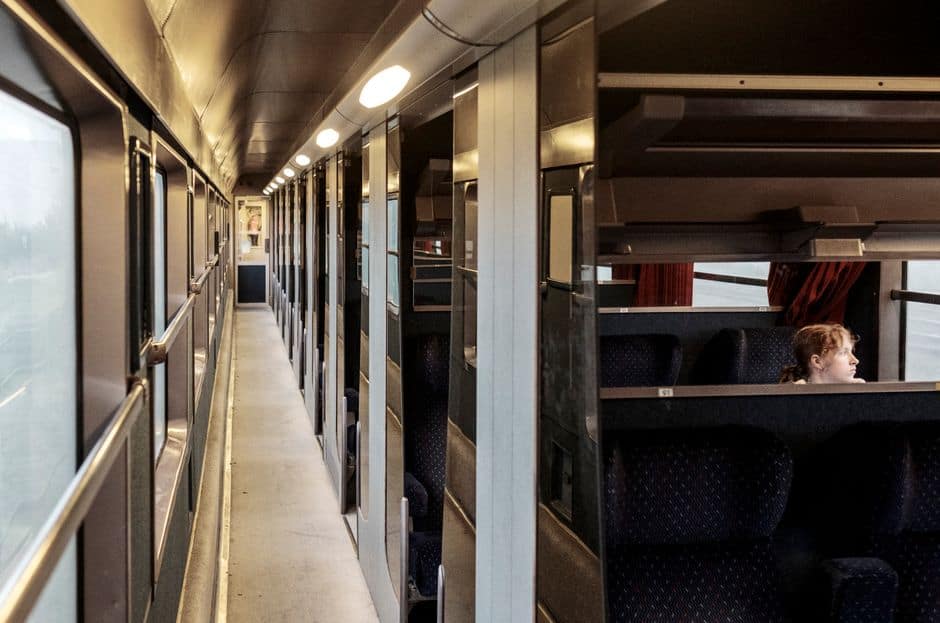
- Night trains: Usually the most comfortable overnight option, often city-center to city-center, sometimes pricier but can save on accommodation.
- Budget flights: Often cheapest on paper, but can cost you time (and money) getting to/from airports and dealing with strict baggage rules.
- Sleeper buses: Typically the lowest-cost and widest network, but comfort varies a lot—sleep quality can be hit-or-miss.
Option 1: Night trains (the “wake up somewhere new” classic)
What you’re really paying for
Night trains are basically “transport + bed,” and the value depends on whether you’d otherwise pay for a hotel. If a couchette costs more than a daytime train, that doesn’t automatically make it “expensive”—it might be replacing a €120 room and giving you a full day back.
Comfort & sleep quality
- Best for: light sleepers who still want a shot at real rest, couples/friends who can share a compartment, anyone who hates airports.
- Cabin types matter: seat-only is rough; couchettes are the sweet spot for most people; private sleepers are the splurge.
- Noise & motion: earplugs are not optional if you’re sensitive. Pack a sleep mask too—corridor lights can be surprisingly bright.
Speed & logistics
Night trains shine on mid-range distances—roughly 8–14 hours. You board in the evening, wake up in a new city, and you’re usually already downtown. No airport transfer required.
Real-world examples
- Vienna ↔ Venice: A classic overnight link that can drop you near the action early enough for a coffee and a stroll before crowds.
- Stockholm ↔ Hamburg: Great for bridging Scandinavia and continental Europe while skipping a hotel night.
- Paris ↔ the Alps: Certain seasonal services make it easier to wake up closer to ski towns without burning a whole travel day.
Actionable tips to do night trains right
- Book earlier than you think: couchettes and private cabins sell out faster than seats, especially on weekends.
- Choose your bunk strategically: top bunks can feel steadier for some people; bottom bunks are easier for late-night bathroom trips.
- Pack “platform-ready” toiletries: wet wipes, small toothpaste, and a tiny towel go a long way when facilities are basic.
- Don’t overplan the arrival morning: even good sleepers can feel a bit scrambled. Schedule a low-stakes start (market stroll, bakery crawl, etc.).
Option 2: Budget flights (the “cheap… if you play the game” route)
What you’re really paying for
Budget flights can be a steal, but the base fare is only part of the story. Add-ons can turn a “€29 flight” into €120 quickly:
- carry-on bag fees (especially if your bag is slightly oversized)
- seat selection (not required, but sometimes worth it if you’re tall or traveling with someone)
- airport transfers (a late-night taxi can wipe out the savings)
- snacks/water (airports love charging “emotional support prices”)
Comfort & sleep quality
- Best for: travelers who can sleep anywhere or don’t mind being tired for a day, people chasing a very specific cheap route.
- Reality check: an “overnight flight” in Europe might mean a 6 a.m. departure. That’s not sleep—it’s a pre-dawn logistics mission.
Speed & logistics
Air looks fast on paper, but door-to-door time can be longer than you expect: getting to an out-of-town airport, arriving early, security, and then getting from the destination airport into the city. It’s often efficient for longer jumps (e.g., Iberian Peninsula to Central Europe), especially when night trains don’t connect well.
Real-world examples
- Lisbon → Milan: A route where flying can make sense because the overland alternatives can be very time-consuming.
- Dublin → Amsterdam: Flying is usually the most straightforward option; just budget extra time for airport transfers.
Actionable tips for making budget flights actually budget
- Measure your bag before you leave. Not “it looks small enough”—actually measure. The gate fee is where budgets go to die.
- Price the whole trip: fare + bag + seat + transfers. Compare that number to a night train couchette or sleeper bus.
- Choose airports intentionally: a slightly pricier flight to a closer airport can be cheaper overall (and less miserable).
- Protect the next day: if you’re arriving very early, plan a café breakfast and a flexible morning activity rather than a timed museum slot.
Option 3: Sleeper buses (the “network everywhere” wildcard)
What you’re really paying for
Sleeper buses are often the lowest upfront cost—and they cover routes that trains don’t. They’re especially useful when you’re hopping between smaller cities or crossing borders where rail connections are slow or awkward.
Comfort & sleep quality
- Best for: budget travelers, people who can sleep sitting up, anyone traveling with a tight itinerary and flexible expectations.
- Seat quality varies wildly: some routes have roomy, reclining seats; others feel like you’re spending the night in a politely upholstered kitchen chair.
- Stops are the sleep killer: border checks or multiple pick-ups can break your rest into tiny fragments.
Speed & logistics
Door-to-door, buses can be efficient because they often depart from central stations. But traffic, delays, and route length can be unpredictable. The upside is you usually don’t need to arrive as early as you would for a flight.
Real-world examples
- Prague → Kraków: A common overnight-ish hop where bus schedules can be very convenient.
- Split → Zagreb (season-dependent): Sometimes easier by bus depending on rail options and timing.
Actionable tips to survive (and maybe even enjoy) a sleeper bus
- Pick your seat like a pro: aim mid-bus for less sway; avoid the very back if you’re sensitive to motion.
- Bring layers: buses can swing from sauna to fridge. A light hoodie and socks can save your night.
- Pack a “bus kit”: earplugs, eye mask, water, small snack, and a phone charger (not all outlets work).
- Plan for a groggy arrival: book accommodation with luggage storage or a 24-hour desk if you’ll arrive very early.
The comparison that actually matters: pick based on your travel personality
1) If you’re chasing maximum sightseeing time
Best bet: Night trains (when routes exist). You land in the city center and can start the day without an airport transfer. Sleeper buses can also work if the arrival station is central and the route isn’t too stop-heavy.
2) If you’re on a strict budget
Best bet: Sleeper buses for many corridors, budget flights when you can travel with a personal item only. Night trains can still be competitive if you’re replacing a hotel night—do the math, not the vibes.
3) If you’re a comfort-first traveler
Best bet: Night trains with a couchette or sleeper. Flying at odd hours and sleeper buses are usually rougher on your body (and mood).
4) If you’re visiting smaller cities or offbeat routes
Best bet: Sleeper buses. They often connect places that rail networks don’t serve well overnight.
Quick “true cost” checklist (use this before you book anything)
- Door-to-door time: include transfers and waiting time, not just the travel time.
- Sleep cost: if you lose a full day to exhaustion, was it really cheaper?
- Accommodation swap: will this replace a hotel night? If yes, subtract what you would have spent.
- Baggage reality: are you traveling light enough for budget flight rules?
- Arrival timing: can you actually check in / store luggage when you arrive?
A note on what’s fueling the night-travel comeback
Part of the renewed interest is practical (saving time and sometimes money), and part of it is cultural: travelers increasingly treat the journey as part of the experience. If you’re curious about how major travel trends evolve—and how people are thinking about transport choices—you can browse broader reporting and travel coverage at The New York Times travel section.
Sample itineraries: choose-your-own overnight strategy
Itinerary A: “Two cities in two days” (minimize wasted hours)
- Day 1: Explore City A all day
- Night: Night train in a couchette
- Day 2: Arrive City B in the morning; start with a breakfast crawl and a walking route
Pro tip: pack tomorrow’s outfit in an easy-to-grab tote so you’re not digging through your bag at 6 a.m. in a narrow compartment.
Itinerary B: “Shoestring hop” (keep costs down)
- Evening: Eat early, buy snacks, board sleeper bus
- Morning: Drop bags at luggage storage; do a park + café morning before accommodation is ready
Pro tip: if you’re prone to stiffness, schedule a bathhouse, spa, or even just a long lunch break the next day.
Itinerary C: “Long jump” (when overland is too slow)
- Late night: Travel to airport via public transport (if available) rather than a taxi
- Early morning: Budget flight with personal item only
- Arrival: head straight to a pre-planned breakfast spot near the center to reset your mood
Pro tip: screenshot boarding passes and key booking details—airport Wi-Fi is not a personality trait you can rely on.
Conclusion: the “best” overnight option is the one that protects your trip
Night trains, budget flights, and sleeper buses can all be the right move—depending on what you value most. If you want the best balance of comfort and city-center convenience, night trains are hard to beat. If you’re doing a long jump or traveling ultralight, budget flights can be efficient. If you’re optimizing for price or reaching smaller destinations, sleeper buses are the flexible MVP.
The main trick is to compare total cost and total energy impact, not just the headline price. Your future self—standing in a beautiful new city with enough sleep to enjoy it—will thank you.