
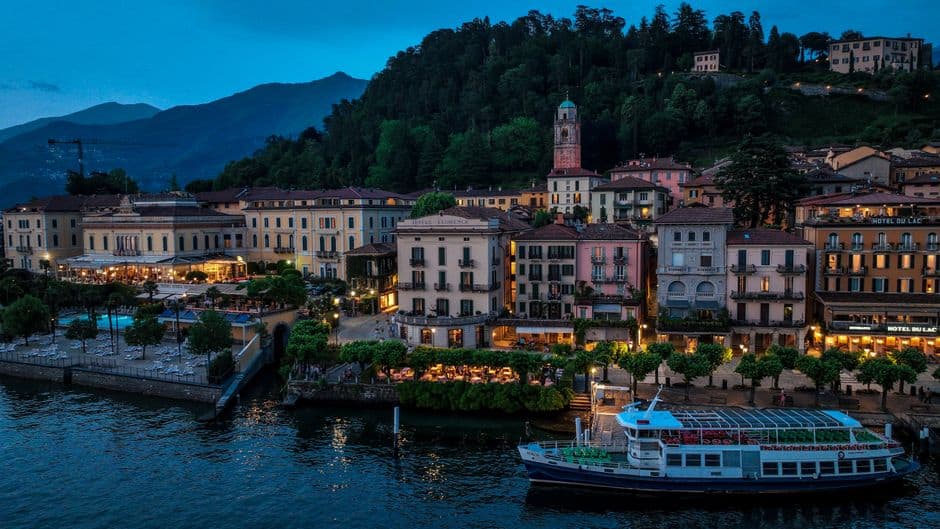
Heatwaves and record-breaking summer temperatures are changing how people plan holidays. One of the most interesting (and practical) shifts is the rise of the “coolcation”: trips designed around cooler climates, higher elevations, lakes, forests, and even nighttime sightseeing. Instead of chasing peak-season sunshine, travelers are optimizing for comfort, safety, and better sleep—without sacrificing culture, food, or adventure.
This FAQ-style guide helps you plan a coolcation with specific strategies, real-world examples, and on-the-ground tips for choosing destinations, building an itinerary, packing, and managing transport and budgets.
What exactly is a “coolcation,” and why is it trending now?
A coolcation is a holiday planned to avoid extreme heat—typically by choosing higher latitudes (further north/south), higher altitudes, coastal microclimates, forested areas, or lake regions that stay noticeably cooler than major inland cities in summer.
It’s trending because heat affects:
- Comfort: walking tours, museums without AC, long transit days.
- Safety: heat exhaustion and dehydration risks rise during outdoor activities.
- Sleep: hot nights can ruin recovery and enjoyment.
- Itinerary reliability: wildfires, heat advisories, and transport disruptions can force last-minute changes.
Major newsrooms have tracked the trend and its link to hotter summers; for broader context and reporting on shifting travel patterns, see coverage from The Guardian’s climate and travel reporting.
How do I choose a coolcation destination that’s genuinely cooler (not just “marketed” as cool)?
Use a three-layer check before booking:
- Layer 1: Average highs and nighttime lows. A place with 24°C days but 18–19°C nights often feels far better than 30°C days and 25°C nights.
- Layer 2: Microclimates. Coastal winds, lake effects, and shade from forests can create a “feels-like” difference of several degrees.
- Layer 3: Built environment. Dense urban areas trap heat (urban heat island effect). Smaller towns, parks, and waterfront districts cool faster after sunset.
Actionable tip: When comparing places, check the “hourly” forecast for a typical week in your travel month (not just monthly averages). This reveals whether evenings cool down enough for comfortable dining and sleep.
What are the best types of coolcation destinations (with examples) beyond the obvious?
Instead of defaulting to “go north,” consider these creative destination categories:
1) High-altitude food regions (cooler air + iconic local cuisine)
Why it works: Temperatures drop with elevation. Many mountain towns also have strong culinary identities (cheeses, cured meats, berry desserts, alpine herbs).
- Example: The Dolomites (Italy) for hut-to-hut hikes with hearty Tyrolean meals.
- Example: Slovenia’s Julian Alps for lake swims near Bled and cooler evening promenades.
2) Lake-and-sauna circuits (active days, restorative evenings)
Why it works: Lakes moderate temperature swings and enable midday cooling breaks. Sauna culture makes chilly evenings a feature, not a bug.
- Example: Finland’s Lakeland: morning paddling, afternoon forest walks, evening sauna + lake dip.
- Example: Austria’s Salzkammergut: lakeside villages with mountain viewpoints and pastry cafés.
3) “Night-shift” cities (places that come alive after sunset)
Why it works: You can explore in cooler hours: late museum nights, dusk markets, evening river walks, and early-morning bakery runs.
- Example: Reykjavík (Iceland) in summer: long daylight lets you shift activities later without losing visibility.
- Example: Edinburgh (Scotland): cooler summer evenings suited to walking routes and festivals.
How can I build a “cool-first” itinerary that still feels full and exciting?
Design your days around the temperature curve:
- Early morning (coolest): viewpoint hikes, cycling, long walks, outdoor markets.
- Midday (warmest): shaded parks, galleries, long lunches, boat rides with breeze, naps, or spa/sauna (if the region supports it).
- Late afternoon/evening: waterfront promenades, food tours, outdoor concerts, sunset photography.
Real-world example schedule: In a lakeside region, plan a 7–10 km forest trail before breakfast, spend midday at a lakeside café and swim, then do a short boat cruise at 6–8 pm when the breeze returns.
Which months are best for coolcations, and how do I avoid crowds?
For many “cool” regions, the sweet spot is late spring (May–June) or early autumn (September), when:
- Daytime temps are comfortable for walking and hiking.
- Accommodation availability improves (often better value than peak summer).
- Attractions are less crowded, but services are still operating.
Actionable tip: If you must travel in July/August, consider smaller base towns near popular hotspots. Example: stay in a quieter lakeside village and day-trip to the headline destination early morning.
What should I pack for a coolcation where weather can change quickly?
Coolcations often involve variable conditions (wind, rain, cooler nights). A smart pack list reduces bulk while keeping you comfortable:
- Layering system: base layer + mid layer (fleece/light sweater) + windproof/waterproof shell.
- Footwear: one pair of comfortable walking shoes with grip; optional sandals for lake/sauna.
- Accessories: thin beanie or buff, lightweight gloves for high elevations, sunglasses (yes—UV can be intense at altitude).
- Reusable water bottle: dehydration still happens in cool climates, especially while hiking.
Practical tip: If your destination has frequent showers, pack quick-drying fabrics and a compact umbrella—wind can make umbrellas less useful in coastal areas, where a hooded shell is better.
How do I plan transport for a coolcation without spending a fortune?
Cool destinations can be pricier in peak periods, but you can control costs with planning:
- Book rail early where possible—many European routes have cheaper advance fares.
- Use one “anchor” base for 4–7 nights to reduce transit costs and time.
- Choose regions with strong local transit (buses to trailheads, ferries across lakes, integrated ticketing).
- Mix premium and budget days: one paid guided hike + several self-guided days using marked trails.
Actionable tip: If a destination requires a rental car, compare against a rail-and-bus itinerary. In lake regions, boats can replace taxis for scenic transfers.
Are coolcations always “greener,” and how can I make mine more responsible?
Not automatically. A coolcation can still be high-impact if it involves long-haul flights for a short stay. Make it more responsible by:
- Staying longer (e.g., 7–10 nights instead of 3–4) to reduce emissions per day.
- Choosing lower-carbon transport where feasible (rail instead of short flights).
- Traveling in shoulder seasons to reduce pressure on local services and ecosystems.
- Respecting wildfire and trail guidance: follow local restrictions, avoid off-trail shortcuts that erode landscapes.
Practical tip: In fragile alpine or coastal areas, prioritize established paths and local operators who limit group sizes and follow “leave no trace” practices.
How do I stay safe and comfortable if the “cool” destination has an unexpected hot spell?
Even cool regions can spike in temperature. Build flexibility into your plan:
- Keep a “heat plan” list: shaded botanical gardens, indoor cultural sites, boat rides, higher-elevation excursions.
- Choose accommodation with ventilation: fans, cross-breeze windows, or at least blackout blinds to reduce daytime heat gain.
- Shift your day: early hikes, midday rest, late dinners.
- Hydrate and add salts if you’re active—especially after saunas or long walks.
Data-backed reality check: When humidity rises, the “feels-like” temperature can be significantly higher than the actual air temperature. Plan activities based on the feels-like metric, not just the number on the thermometer.
What are a few ready-to-copy coolcation itinerary ideas?
Itinerary A: “Lakes + Local Food” (5 days)
- Day 1: Arrival, waterfront walk, early dinner.
- Day 2: Morning hike, midday swim + café, evening boat ride.
- Day 3: Local food trail (cheese/fish/berries), museum in warmest hours.
- Day 4: Bike loop around the lake; sunset viewpoint.
- Day 5: Market breakfast, depart.
Itinerary B: “Altitude + Culture” (7 days)
- Days 1–2: Base in a valley town; gentle acclimatization walks.
- Days 3–4: High-elevation day hikes; pack layers and start early.
- Day 5: Rest day with cable car views + long lunch.
- Days 6–7: Scenic train/bus day trip to a cooler neighboring town; depart.
Conclusion: Is a coolcation worth it?
If you’ve ever cut a sightseeing day short because it was too hot to walk, a coolcation is worth trying. The best coolcations aren’t about “hiding” from summer—they’re about designing travel around comfort so you can be outside more, sleep better, and enjoy food and culture without heat dictating every decision.
Start with one change: pick a destination with cooler nights, build an itinerary that uses mornings and evenings well, and pack layers. You’ll likely discover a more relaxed, active style of travel that still feels rich—just less sweaty.